
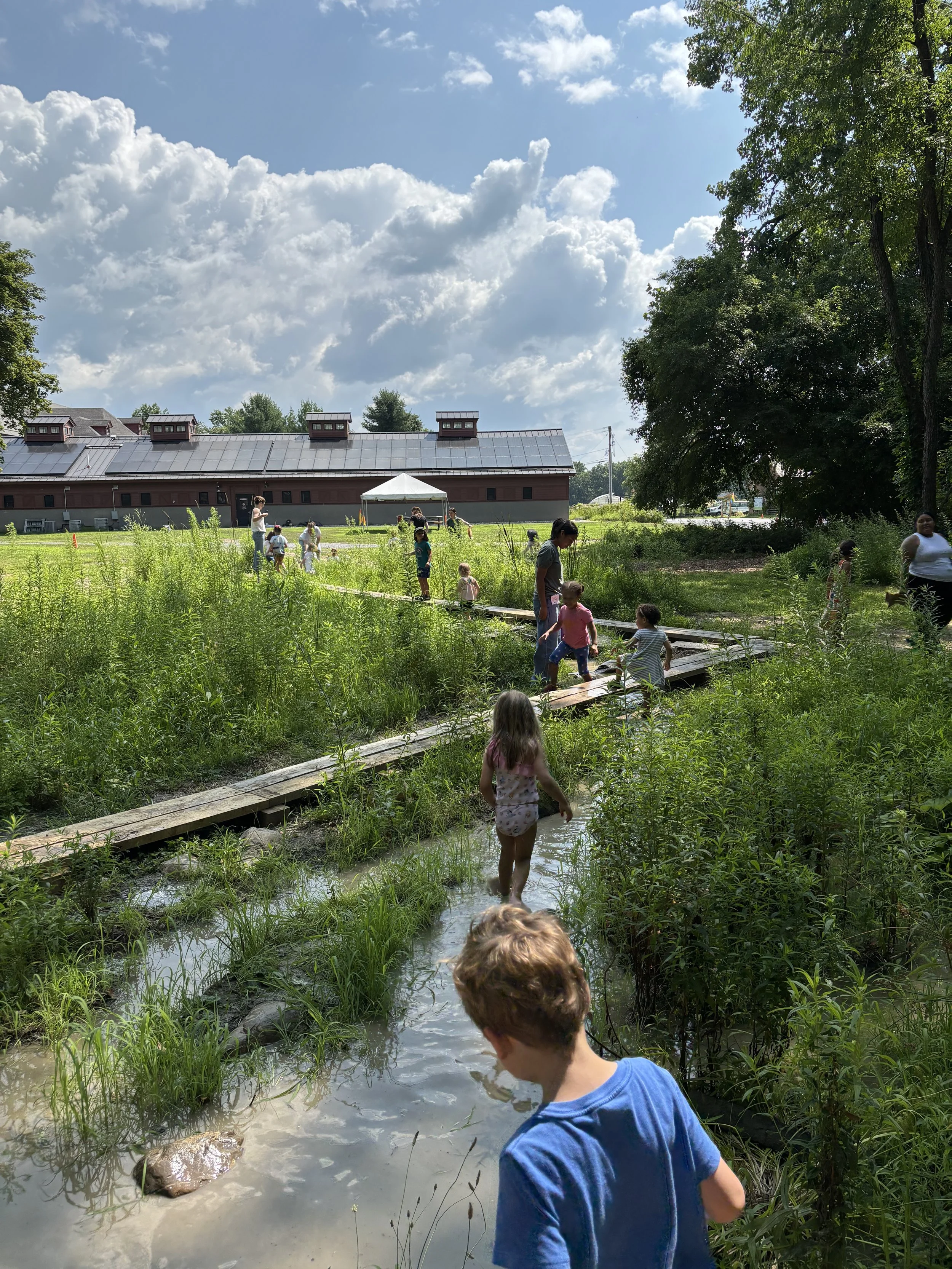
Reimagining Play: Where Ecological Systems and Community Meet
This article explores a growing movement that reimagines play as a way to reconnect people with nature through community-centered, ecologically responsive spaces. Through the lens of four projects we made, it highlights how working with natural systems and local materials can create immersive environments that foster creativity, stewardship, and biodiversity. These spaces move beyond traditional playgrounds by encouraging open-ended interaction, intergenerational use, and deeper relationships between people and the land. Ultimately, the work suggests that thoughtfully designed landscapes can serve not just as places for recreation, but as living systems that nurture connection, learning, and a sense of belonging.
Interview with Viewfinder Magazine
In this interview, Bryan challenges the idea of “weeds,” re-framing them as vital contributors to healthy, evolving gardens rather than problems to eliminate . By understanding common plants like dandelion, clover, and goldenrod, gardeners can shift from control to stewardship—supporting soil health, pollinators, and a healthier ecosystem.
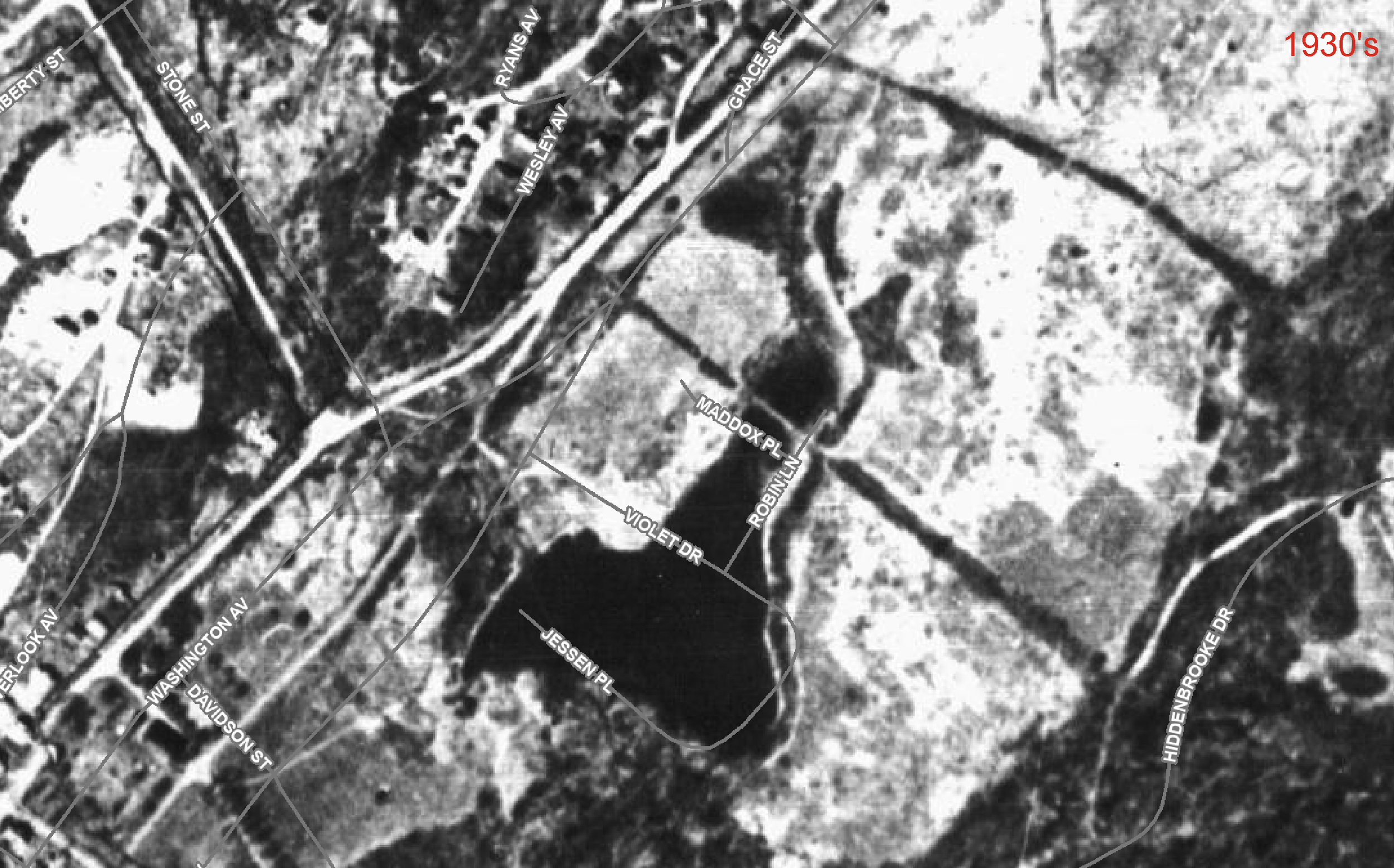
On the history of Dry Brook
Throughout the Northeast, small streams wind quietly behind houses, beneath roads, and through forgotten strips of woods. Though often overlooked, they remain living systems, carrying memory and motion beneath the surface of development. Dry Brook’s history reveals how these modest waterways shape the character, risks, and architectural possibilities of the communities built around them.
Op-ed supporting Safer Streets for Women and Girls
More than half the world’s population identifies as female, yet our public spaces continue to be designed primarily by, and for, men. The consequence? An unacceptable number of women and girls do not feel safe in their own communities.
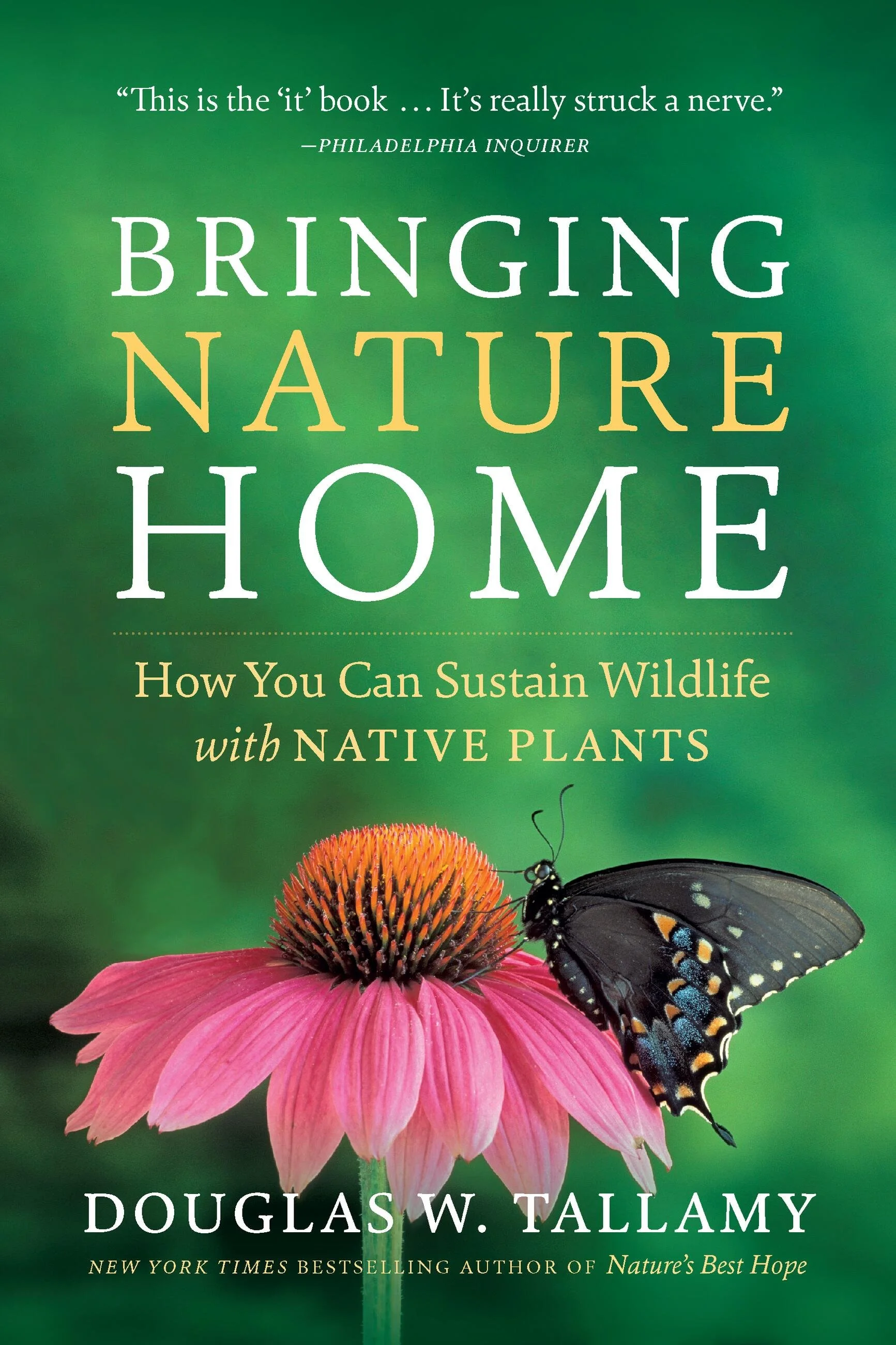
When “Nature at Home” Isn’t Enough: What Doug Tallamy Gets Right—and What His Popularity Reveals
Tallamy did important work, but popularizing ideas does not equal inventing them, and focusing only on lawns and plants misses deeper structural issues.

Why do people hire our garden coach?
People come to garden coaching because they’ve had enough of doing things the hard way—or the wrong way. They've tried digging, dumping, spraying, planting, and watching it all fizzle. They’re frustrated. The land isn’t thriving, and neither are they. Deep down, they know the problem isn’t just the soil or the weeds. It’s the whole way we’ve been taught to treat the places we live on.
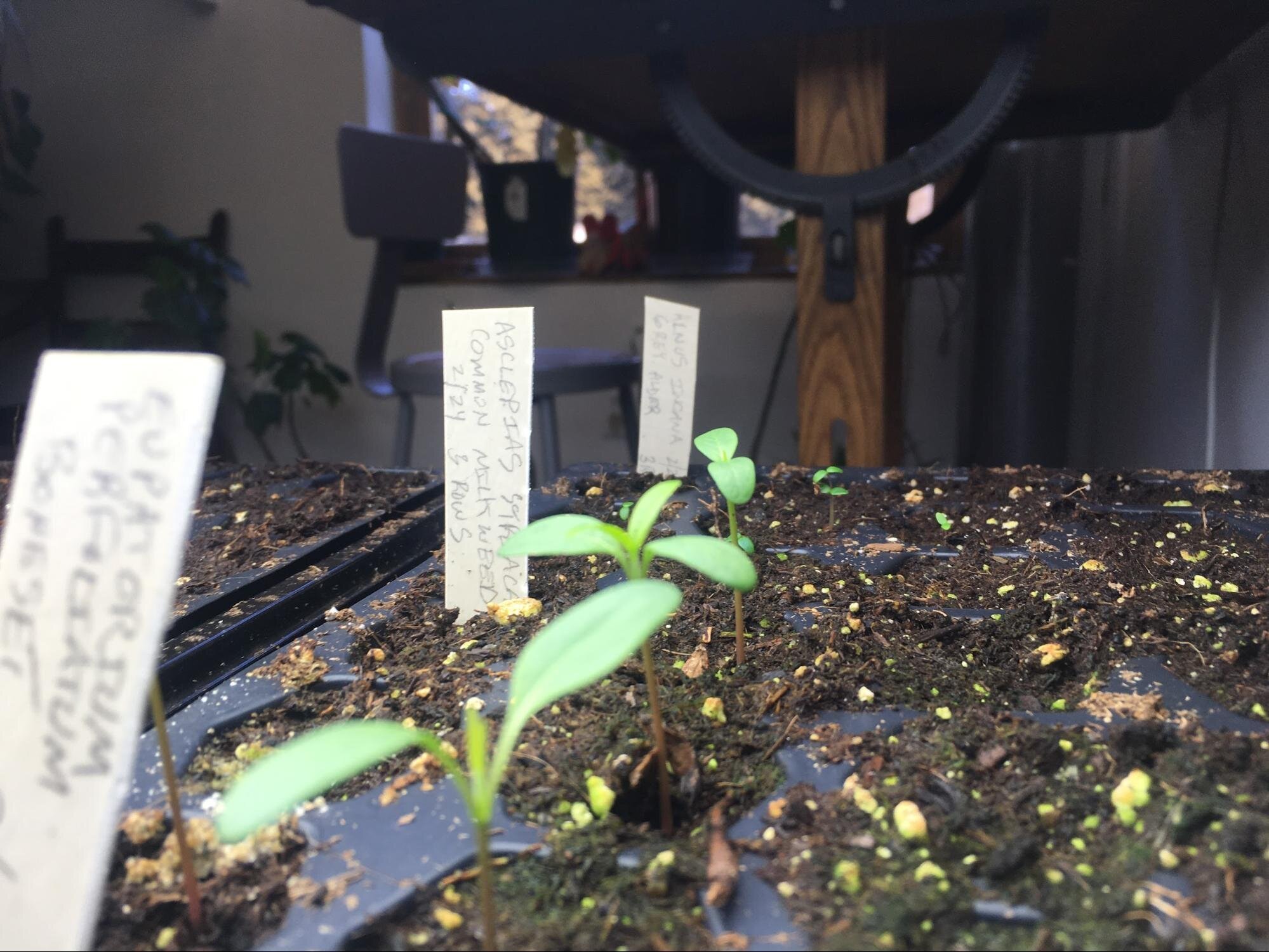
Creating the Right Environment to Grow Backyard Vegetables
There is a saying in the permaculture world: “Create the conditions for x to happen.” Create those conditions and x will thrive. So in creating the conditions for backyard vegetables to happen, part of it is simply getting the plants. In this blog post, I’m going to discuss a few ways for you to get good-quality plants to grow in your garden.
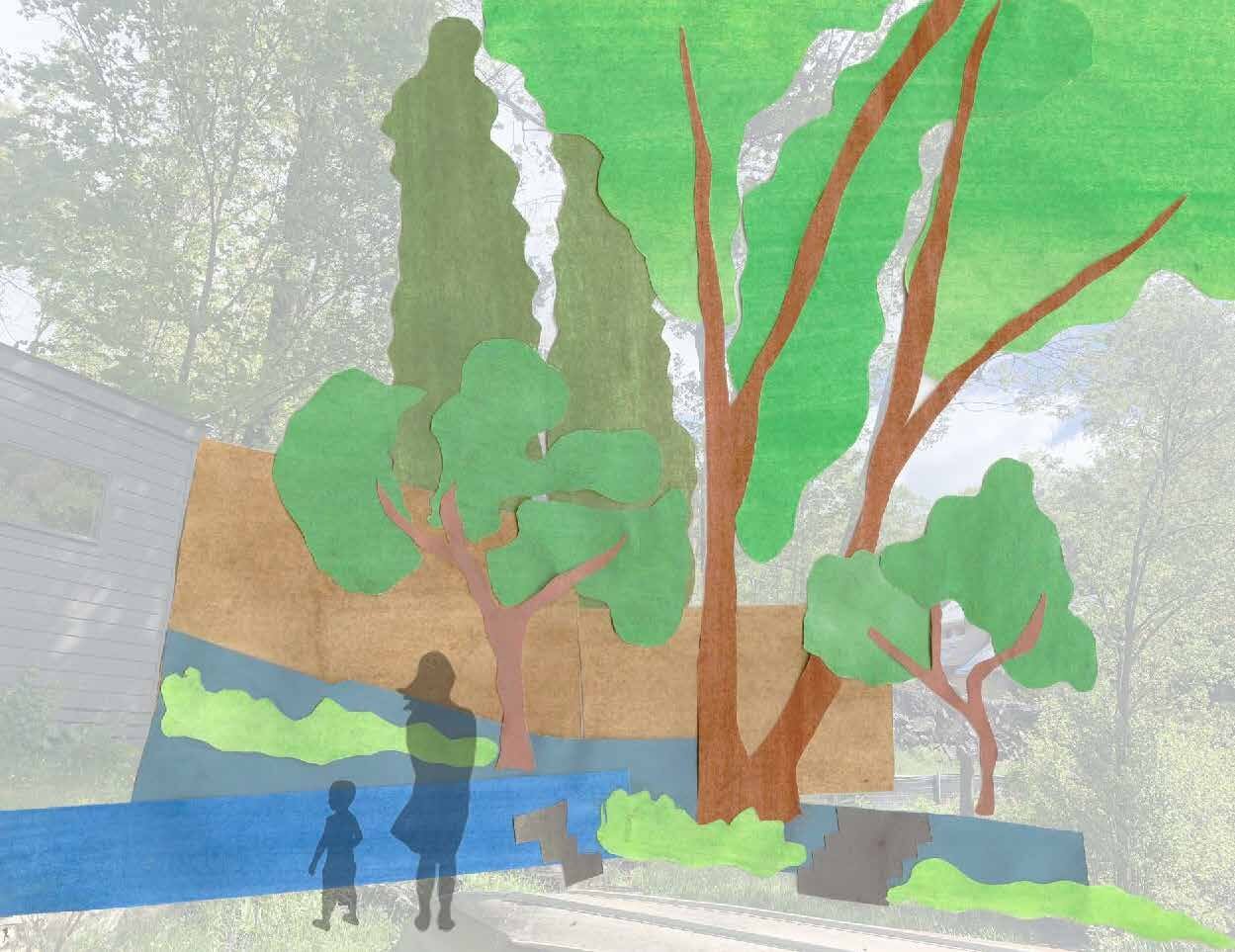
Lakeside Retreat in the Hudson Highlands
Tucked away at the end of a forest road in New York’s Putnam Valley sits Indian Lake. A resident living alongside the ancient glacially-formed lake invited One Nature to improve their property.

Reviving Sylvan Ghosts: Habitat Structures and Snag Analogs
On snowy days with frost hardened ground our staff can often be found building habitat structures from scrap lumber. These structures serve an important purpose. Native animal species evolved in a forested landscape that differs substantially from the current ecology of the Hudson Valley.
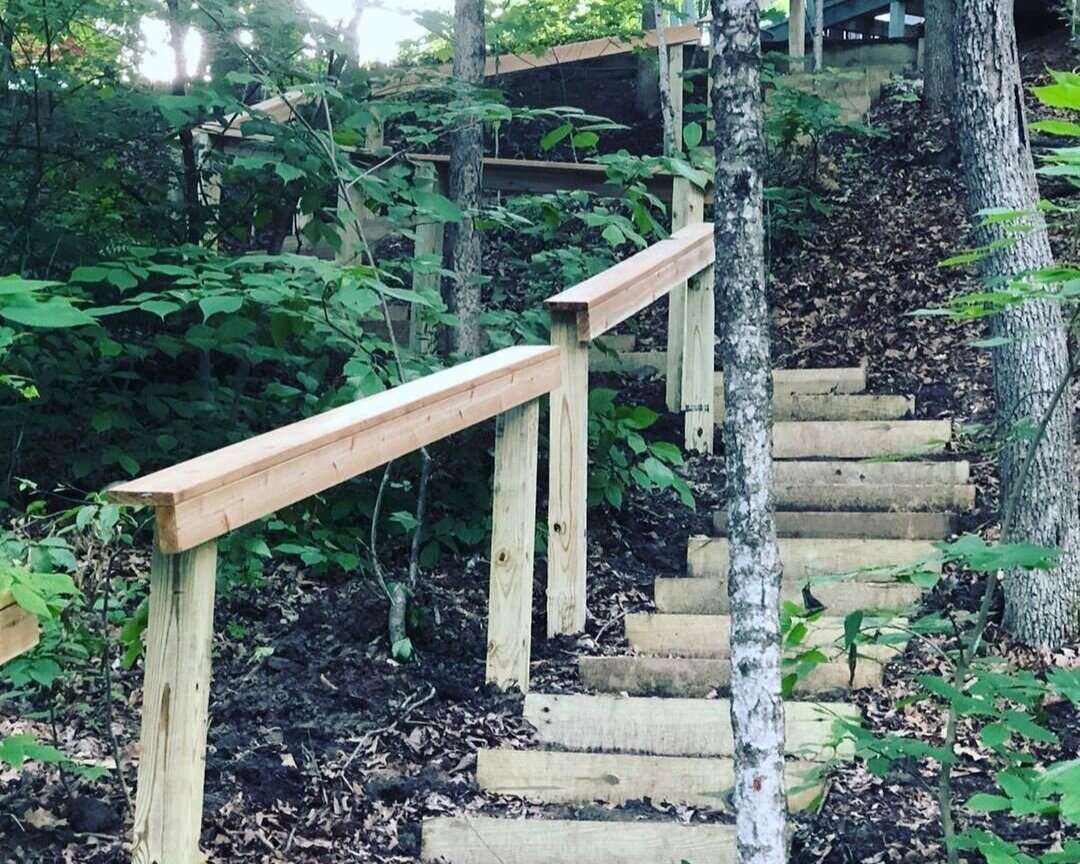
Stairway to (Aqueous) Heaven
While they would have loved to simply walk down to the creek which runs along their property, there was simply no way for our client to get to it. So, in June of this summer past we began creating an access route that would allow for passage down to the water.

Growing Fruit Trees in the Hudson Valley
If you’re going to plant a tree, why not plant one that feeds us and feeds the beneficial insects? Who doesn’t want backyard grown peaches, apples, pears, plums, and cherries?

An Overview of Native Willows in New York
The health and vigor of many wetland environments is dependent on the presence of willow species. These water-loving plants provide benefits not only to the abiotic integrity of an ecosystem, but are also highly valuable to numerous insects and animals.

Model Making and Creative Engagement
The model making process drives our site analysis on our many projects. In our studio, we combine drone photography, geospatial mapping, field collected data, and topographic surveys to quickly create scaled plans of existing conditions.
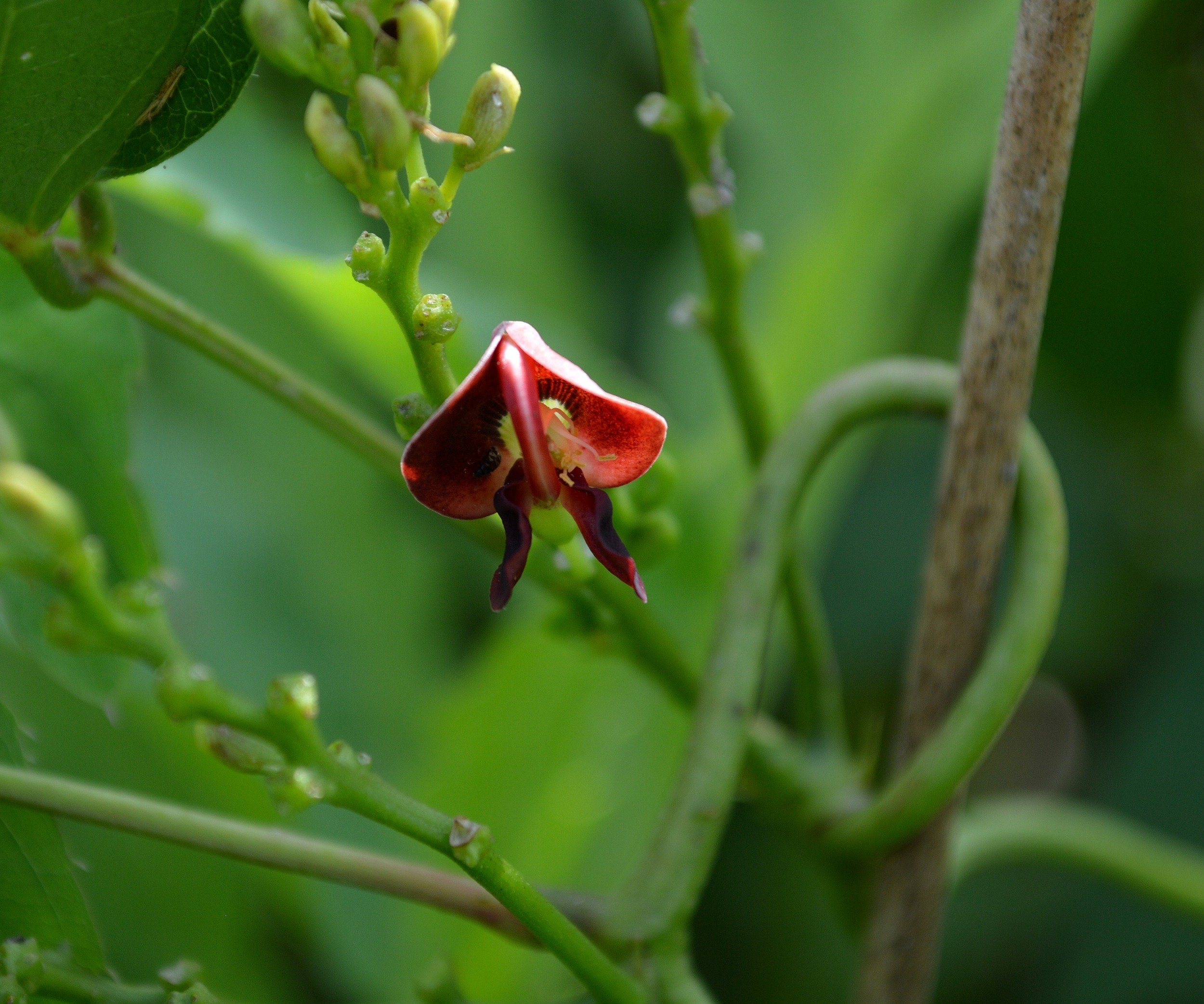
Hopniss — The American Groundnut
The groundnut (Apios americana) is an unusual specimen in the plant world, possessing an eclectic set of characteristics rarely seen bundled together in a single species. The roots, or rather tubers, have been used as a staple food source for millennia by the various indigenous tribes of North America.

The Basics of Harvesting Wild Native Plants
When it comes to choosing plants for your yard or garden, it’s important to obtain species that originate from a close geographic area. Plants with local genotypes are more likely to establish themselves and thrive than those from distant locales.

How to Farm Carbon
It is well known that the amount of carbon currently in the Earth’s atmosphere has reached dangerously high levels. Humanity needs to not only reduce carbon emissions, but also to capture and store carbon.