
Screened Garden Entryway
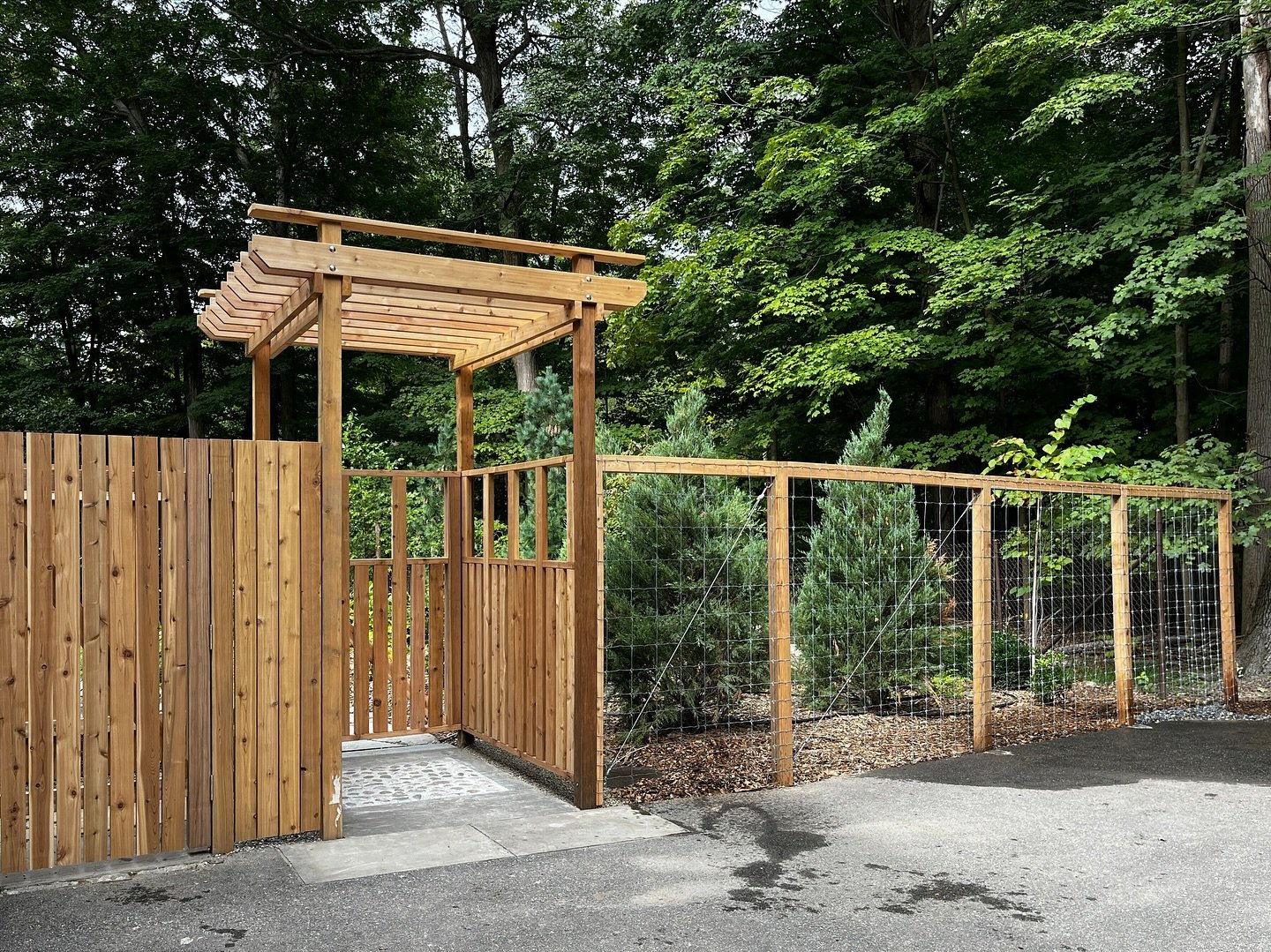
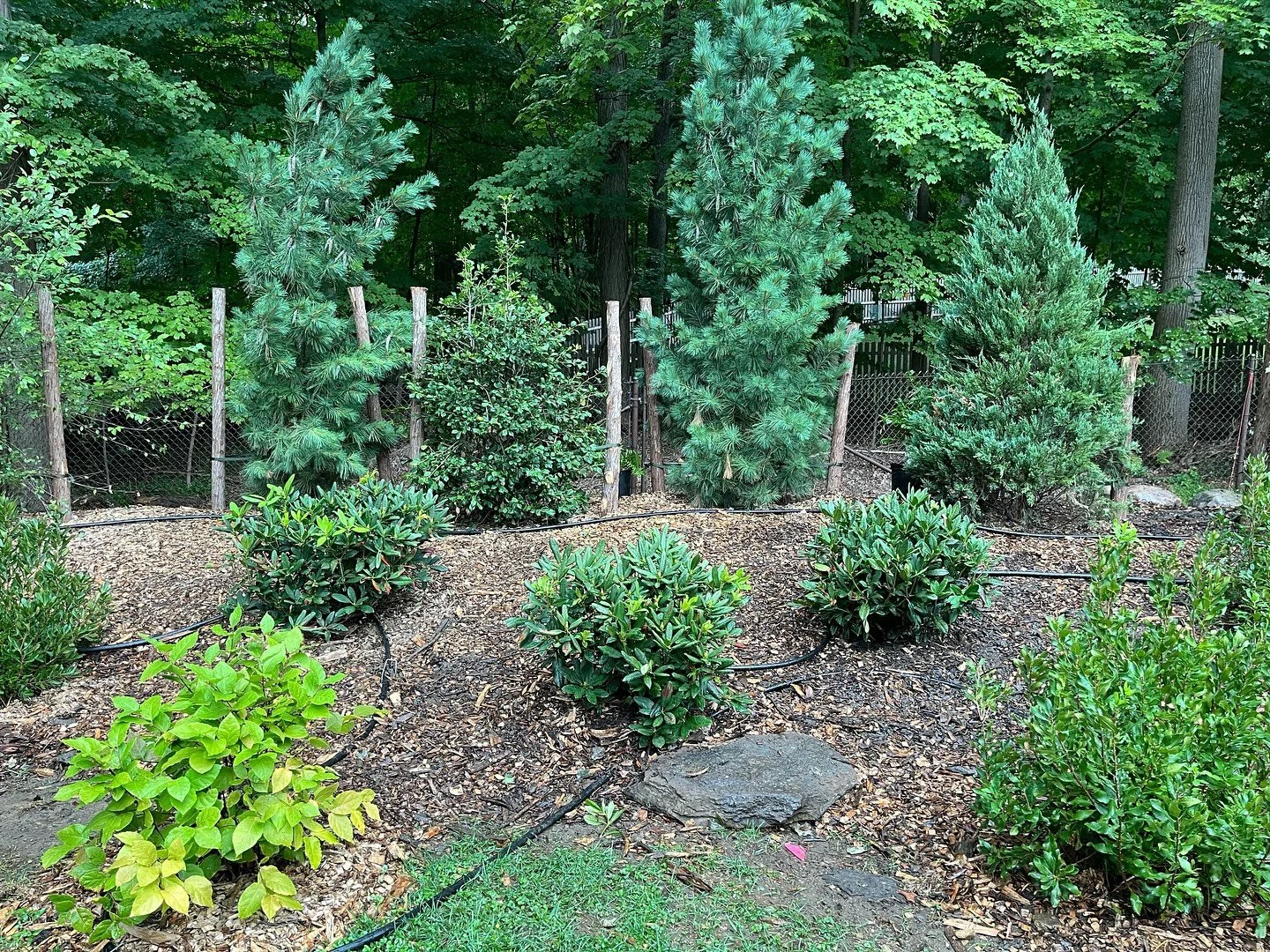
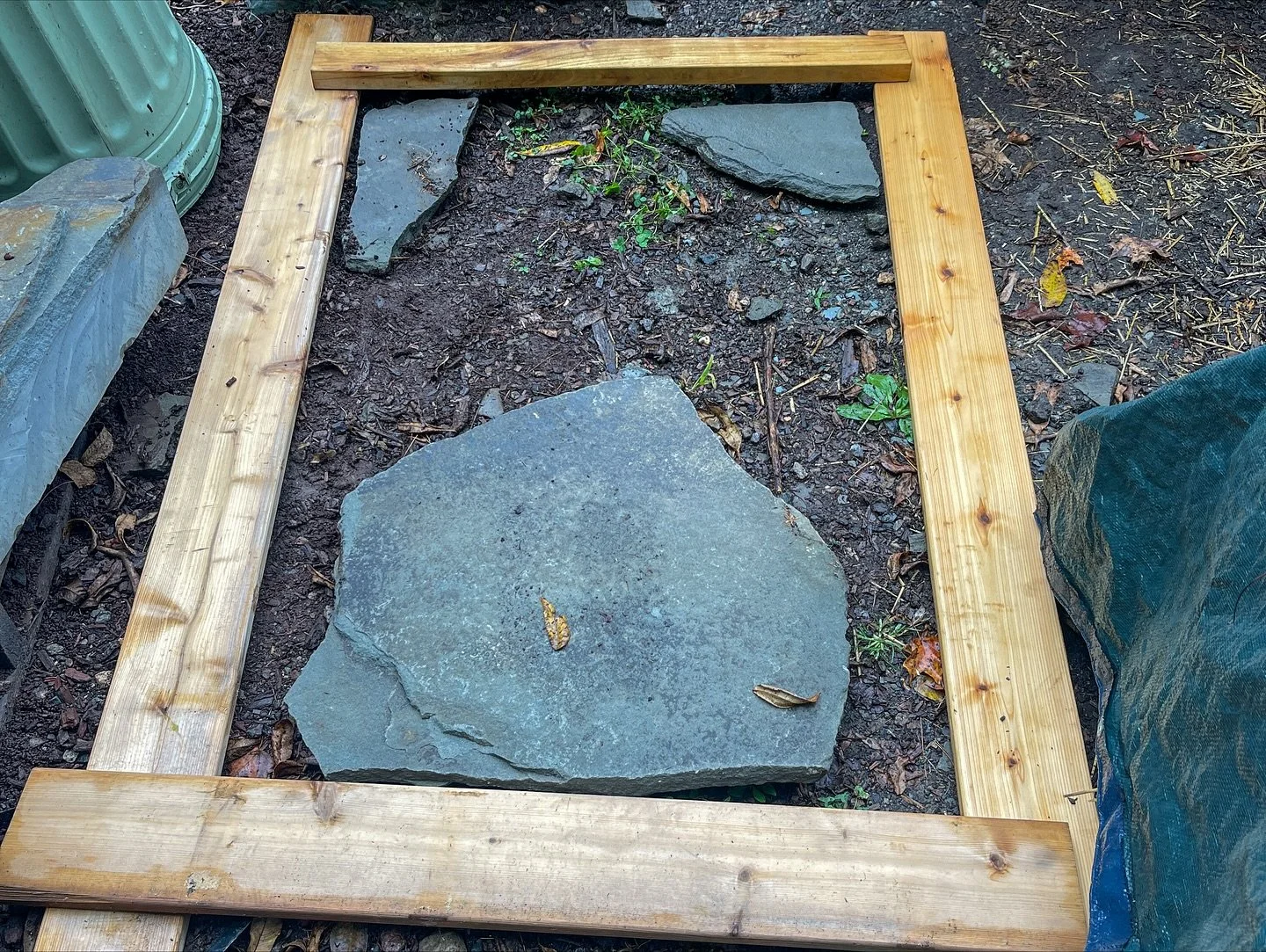
The clients approached this project after losing several large white pines that once provided privacy and enclosure along the edge of their property. With those trees gone, the site felt exposed, and they wanted a new way to reestablish screening while also strengthening the landscape rather than simply replacing what was lost. The goal was not just to block views, but to create a resilient, ecologically responsive boundary that would grow, adapt, and mature over time.
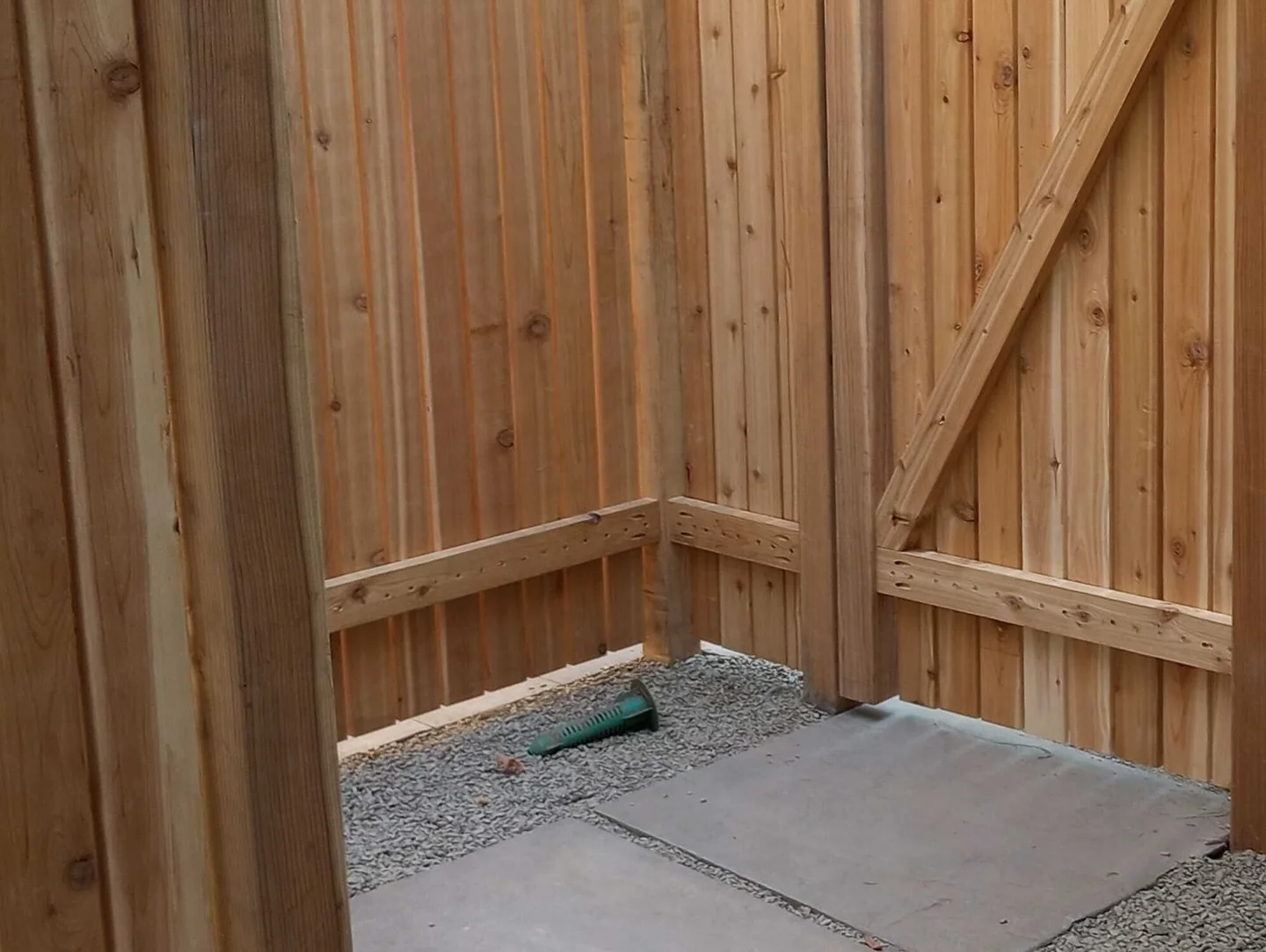
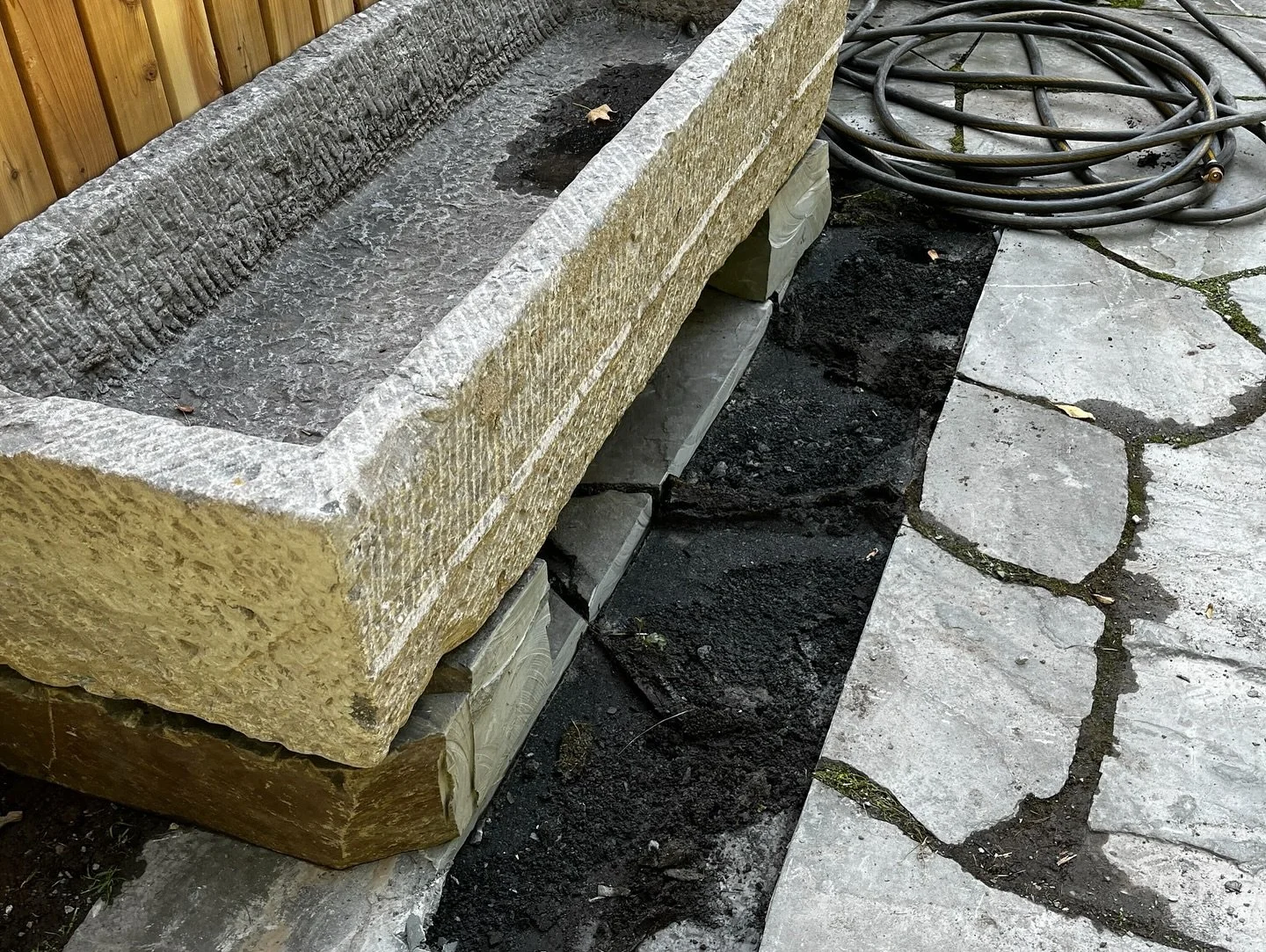
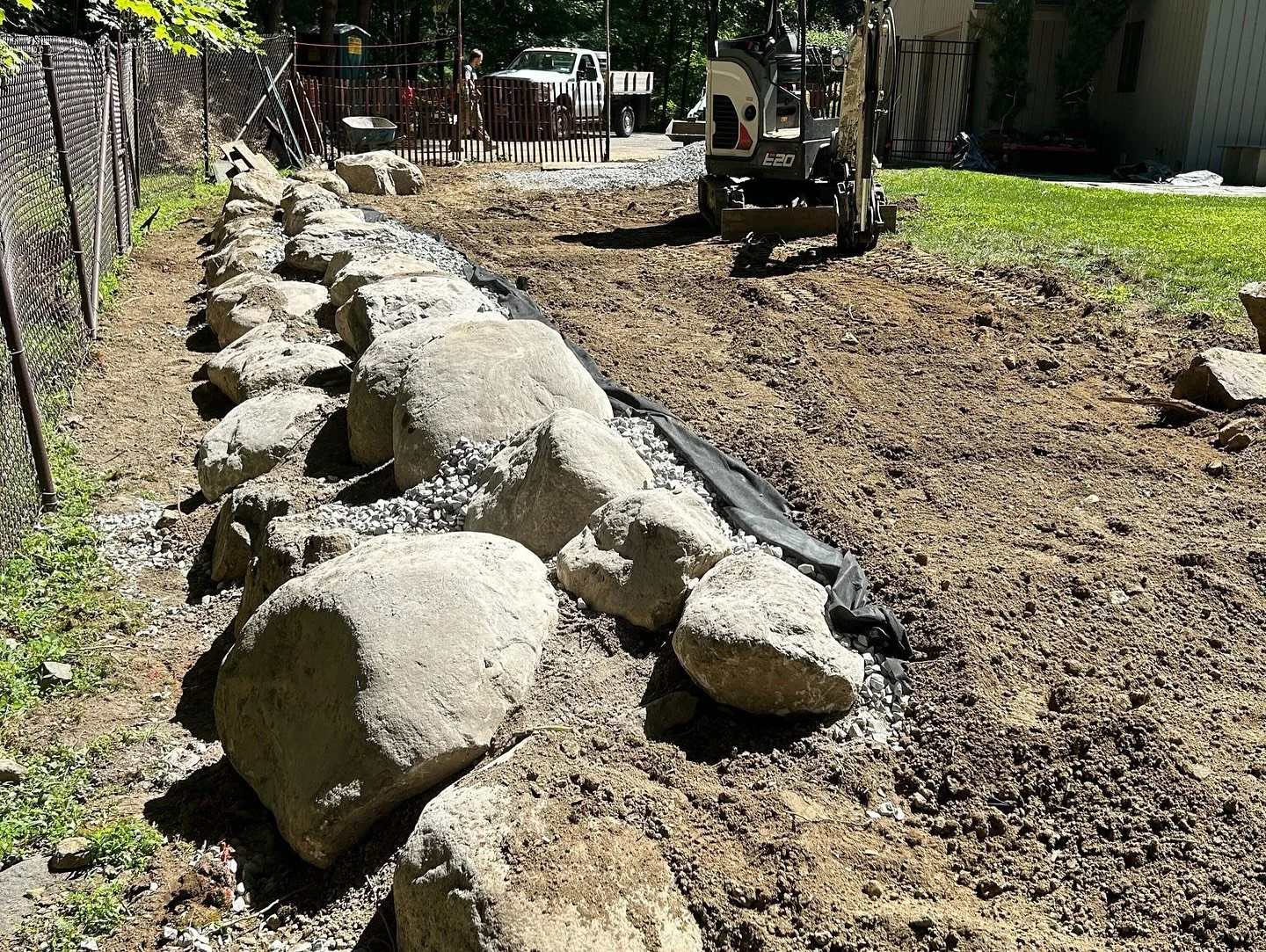
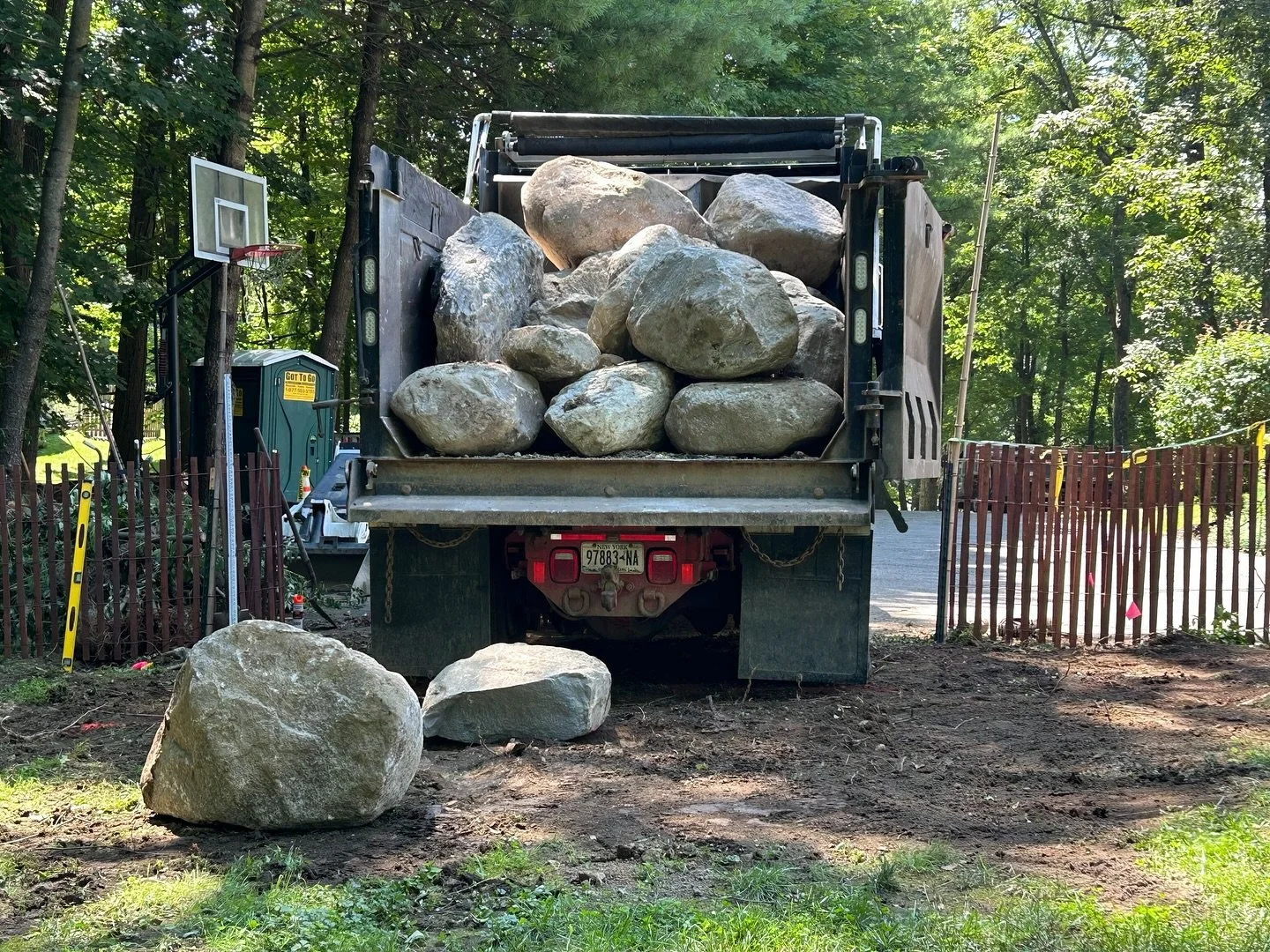
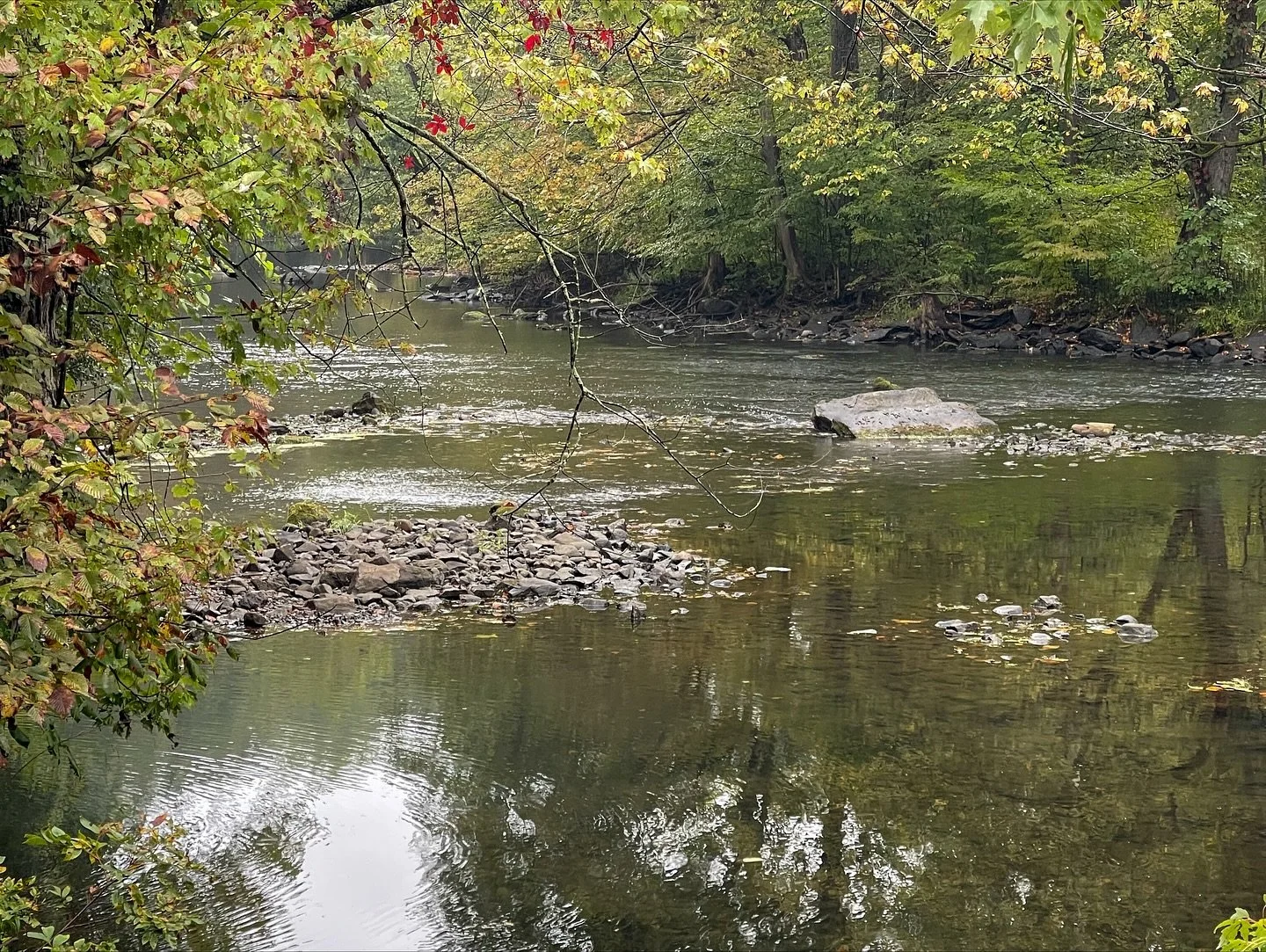
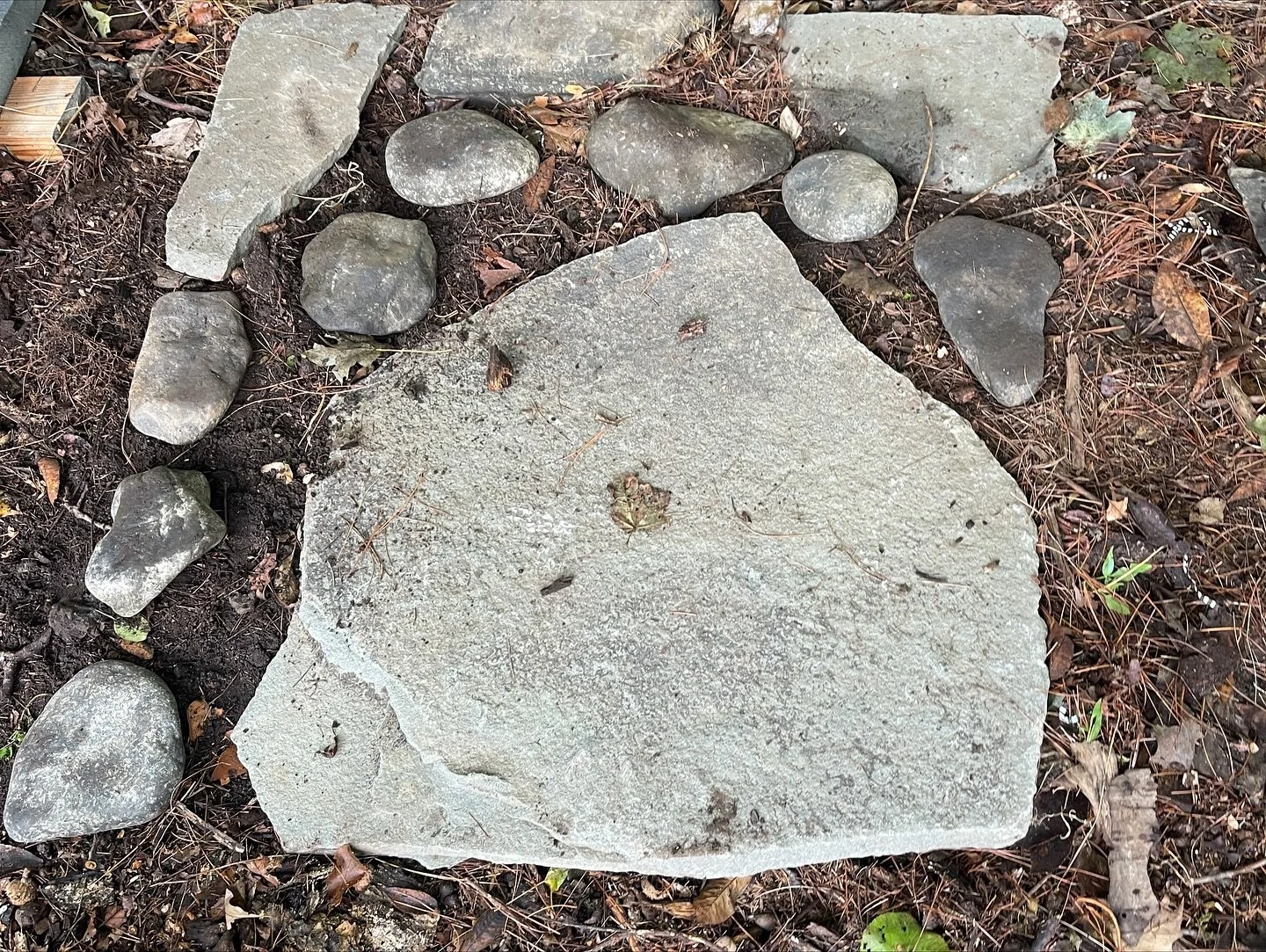
Some of the stone used in the project was gathered from erosion deposits in a nearby tributary stream—damage caused by irresponsible upstream development. Reusing this material allowed us to remove debris from a stressed ecosystem while putting it to constructive use on site. The act of rebuilding with the byproducts of environmental harm reflects an important principle in our work: acknowledging damage while actively participating in repair.
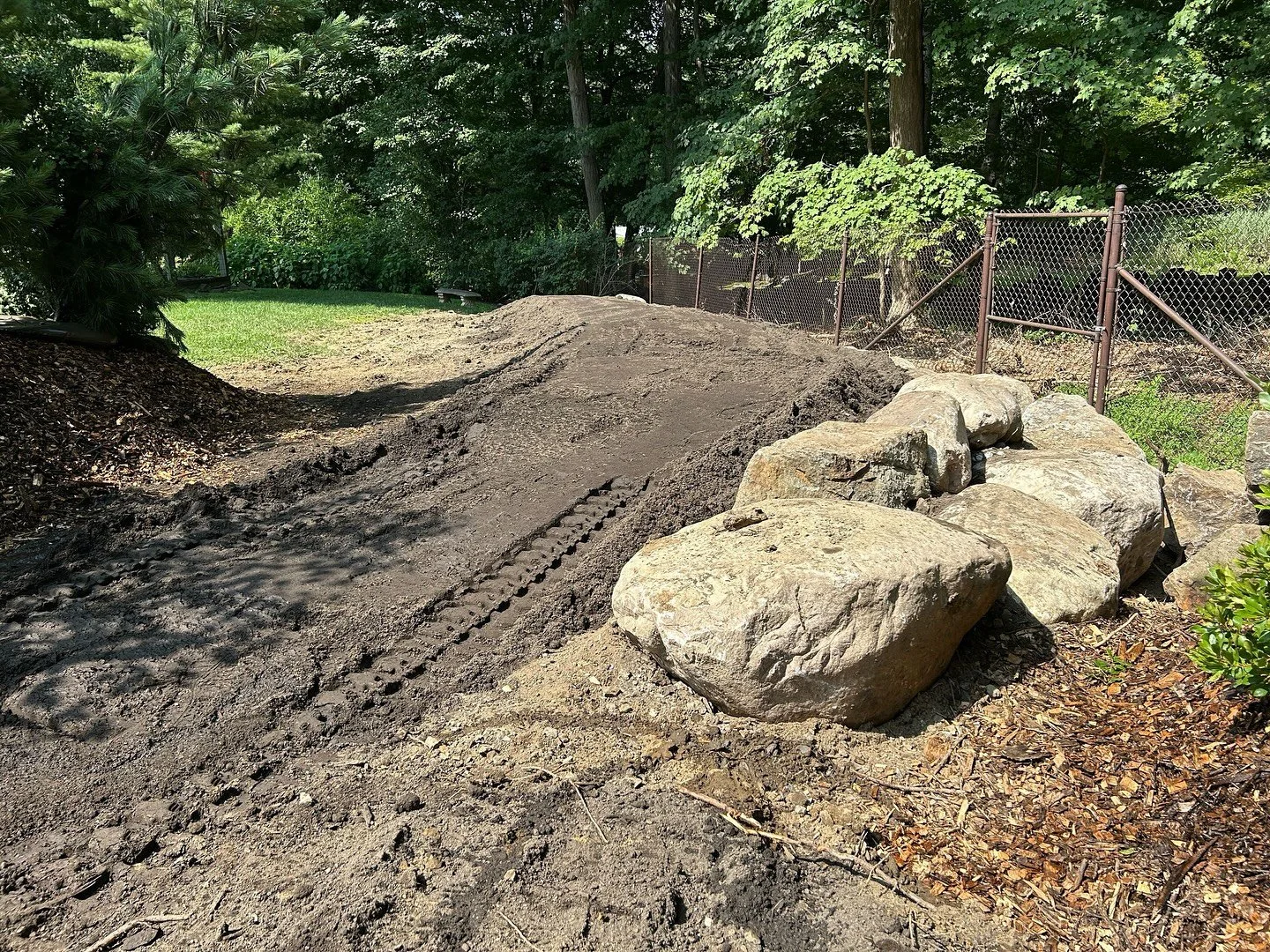
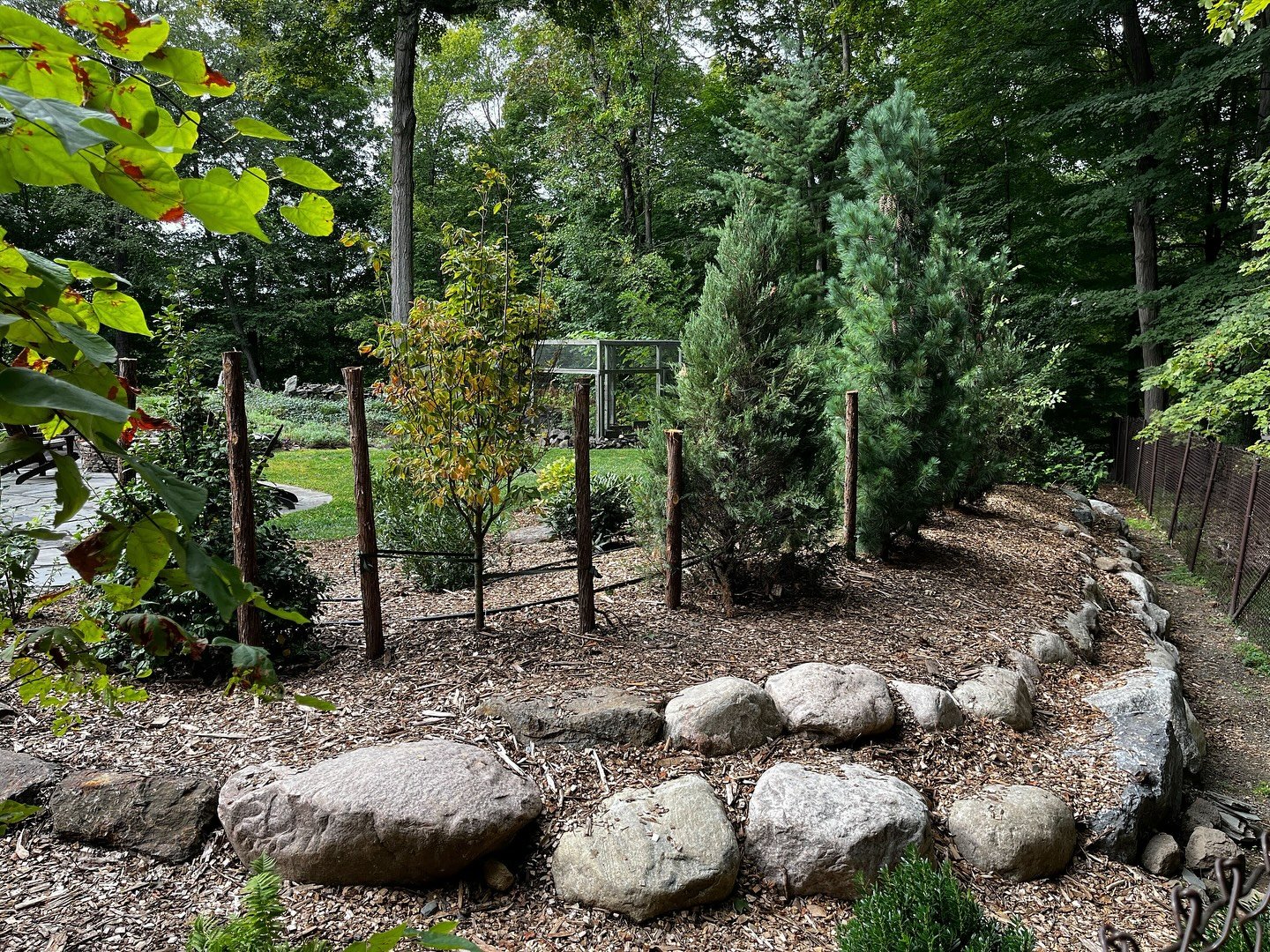
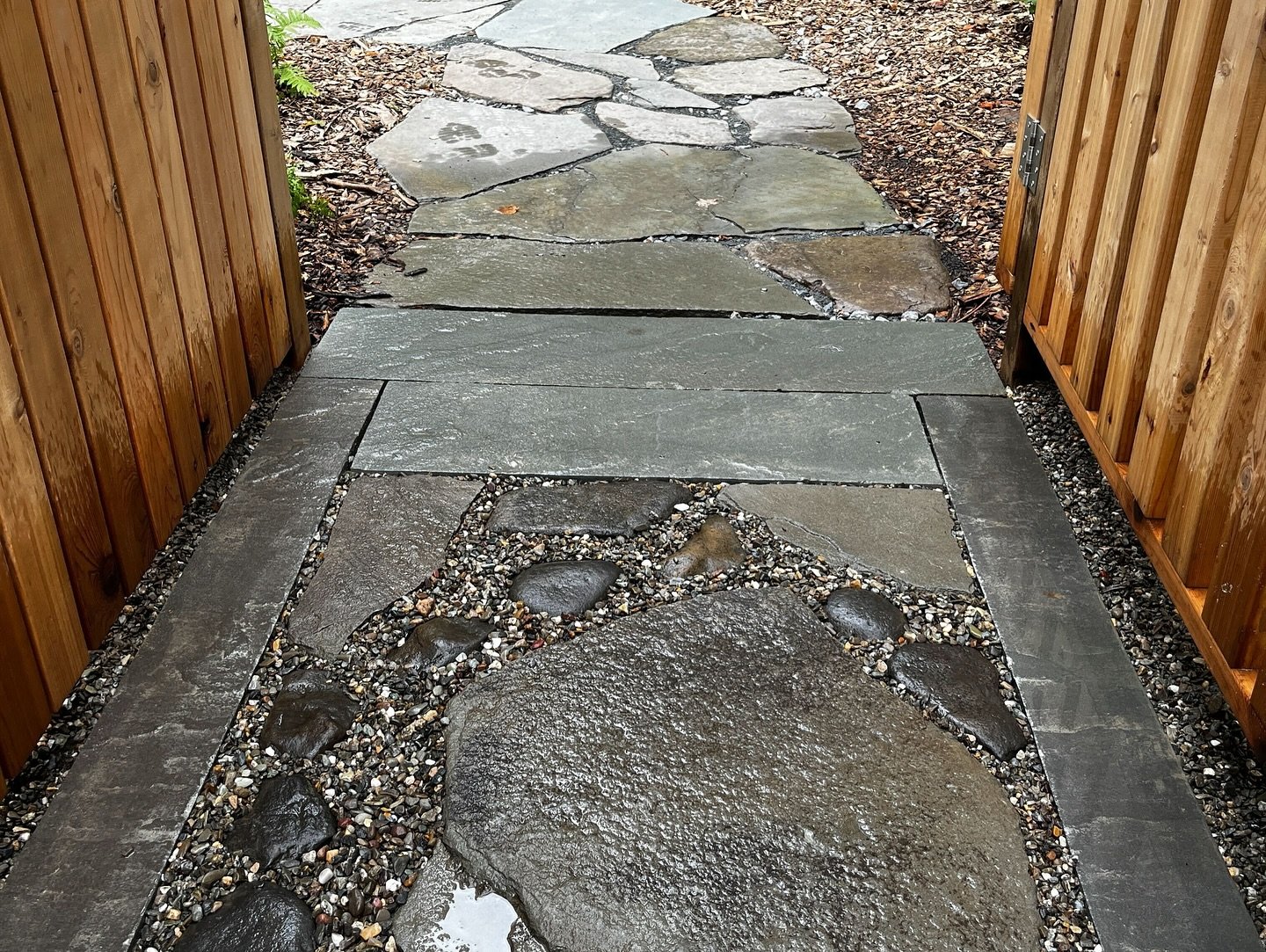
Rooted in its surrounding landscape, the new garden entry is designed not as decoration, but as an active part of the site’s ecology. Locally sourced wood and stone are used not for display, but to support ongoing succession and growth. The earthen berm, planted with evergreens, will gradually develop into a living wall that provides shelter and seasonal resilience.
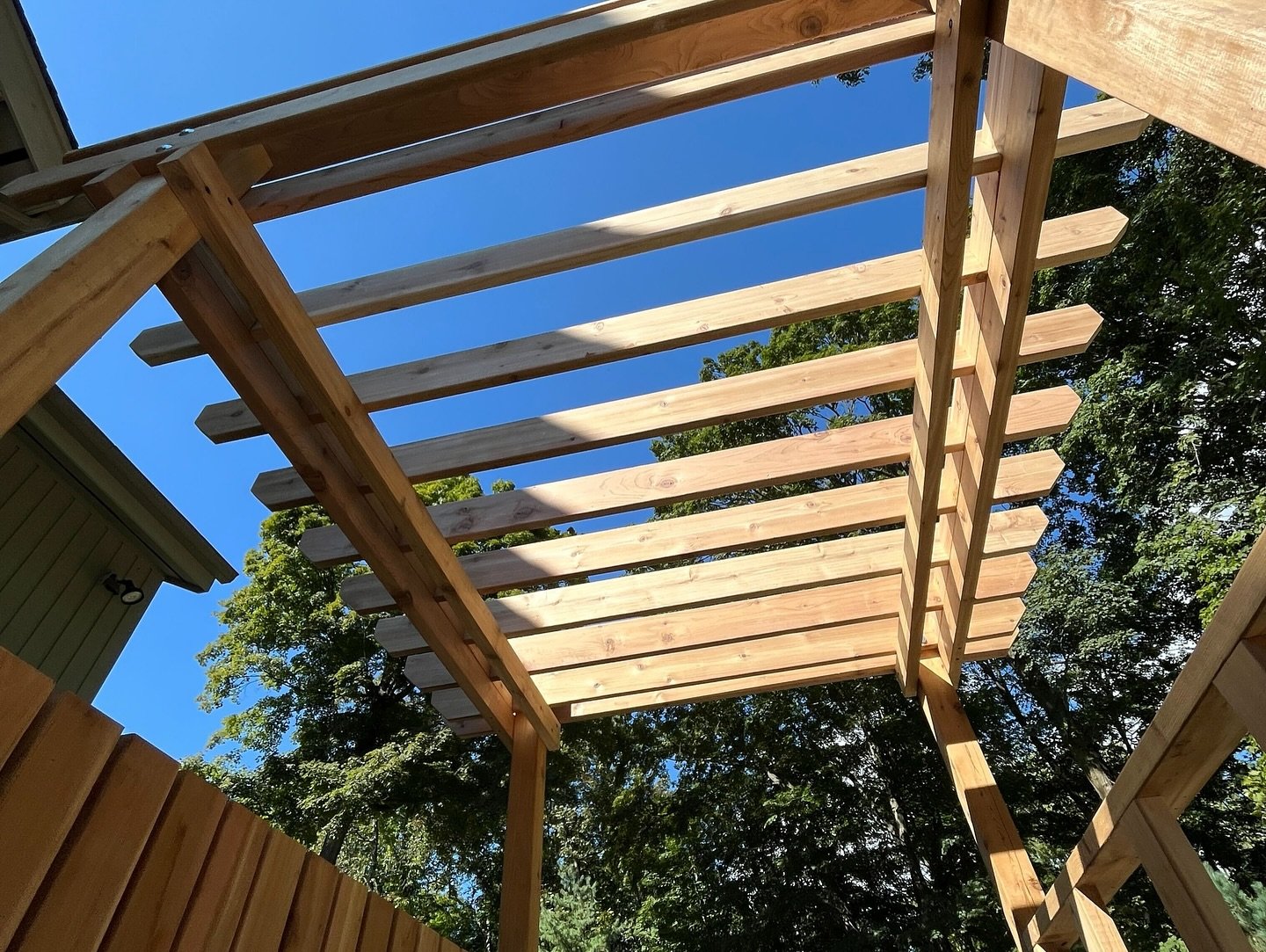
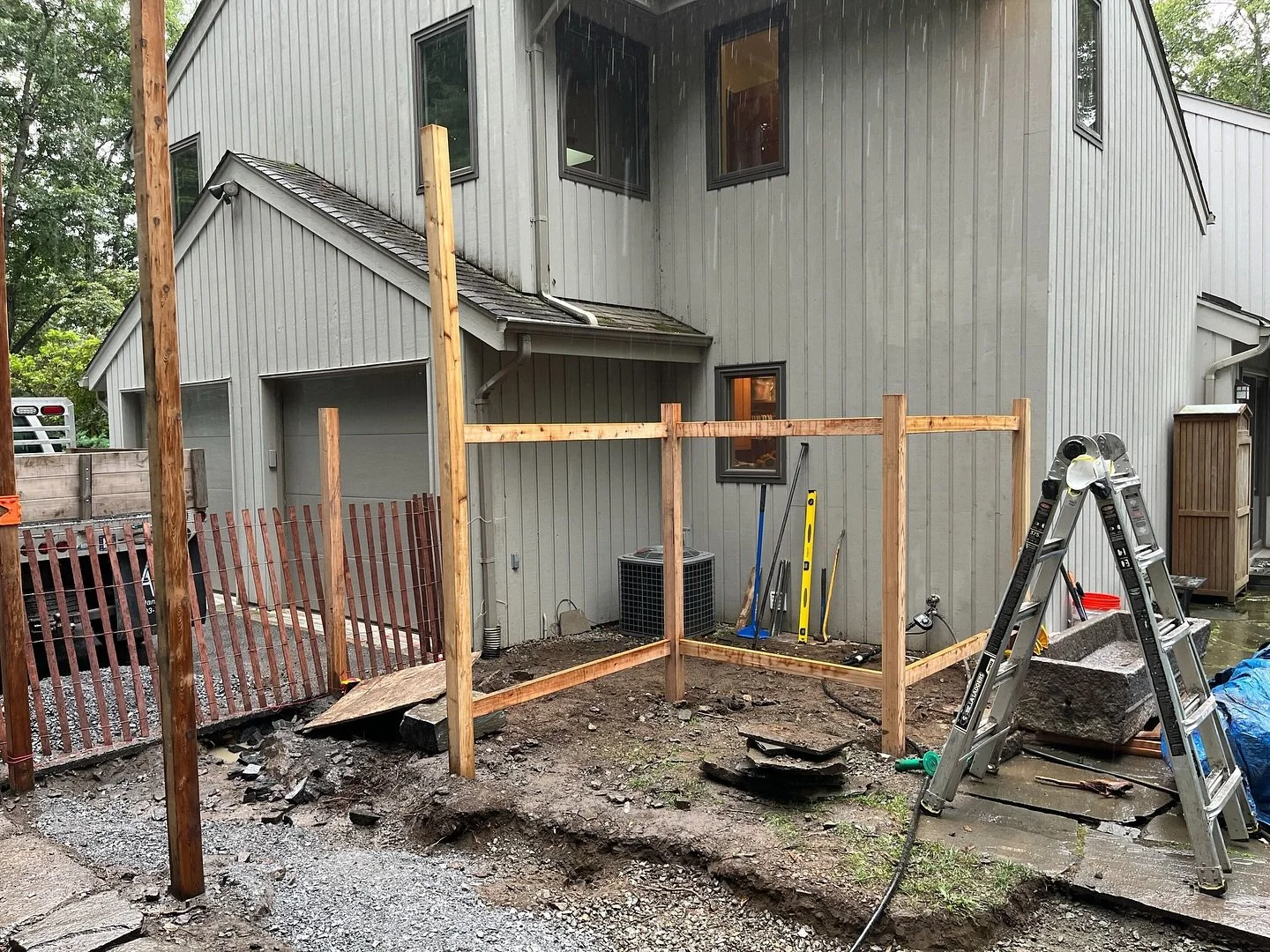
The arbor will support climbing vines that create filtered shade over time. Mosses and lichens will slowly integrate the stone back into the soil. Every material has been selected to work with environmental processes rather than resist them. Wood will weather, stone will support new plant life, and the soil will continue to renew itself.
Construction establishes the framework through carpentry, masonry, and earthwork, but the living systems on site ultimately complete the project. This approach treats architecture as a collaboration with its setting rather than an imposition, allowing climate, plants, and soil to shape the final result.
Over time, the structure is intended to blend into the surrounding ecosystem, eventually becoming nearly indistinguishable from the forest’s edge and functioning as a seamless extension of the landscape.