
Golf Course to Meadow Restoration Master Plan
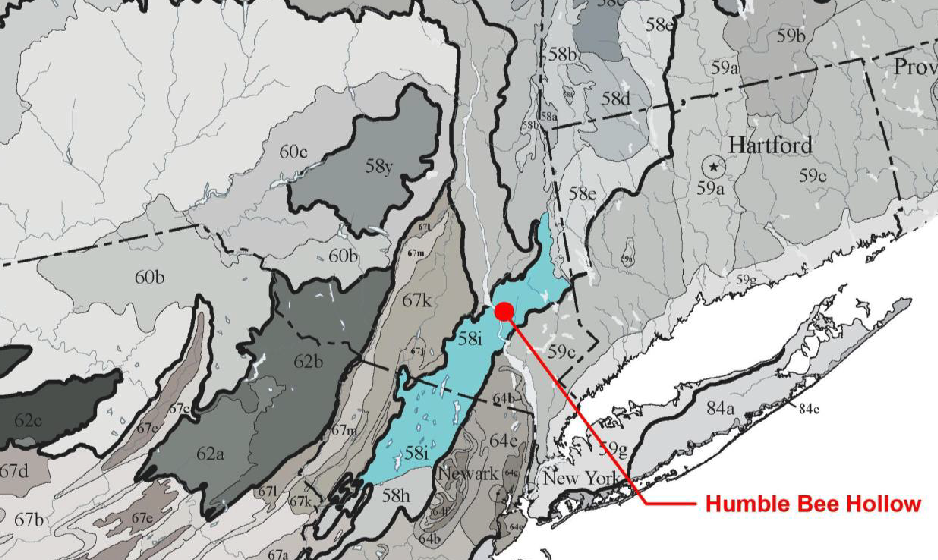
The Humble Bee Hollow Ecological Master Plan lays out an ambitious, science-driven vision for transforming a former golf course in Garrison, New York into a thriving, resilient nature preserve. Encompassing 74 acres, the site once hosted seven holes of the Garrison Golf Course and is now an evolving landscape of meadows, woodlands, and stream corridors that provide rich opportunities for ecological restoration, habitat creation, and community engagement.
The plan begins by tracing the deep ecological history of the site—from ancient geological formation, through Indigenous land stewardship, to colonial farming, private estate ownership, and its decades as a manicured recreational landscape. Today, that history has left behind a mosaic of successional meadows, oak-dominated forests, and rocky headwater streams, including Philipse Brook and its tributaries. These systems support diverse wildlife and several vulnerable or species-of-special-concern, including eastern box turtles, northern long-eared bats, New England cottontail, and cerulean warblers.
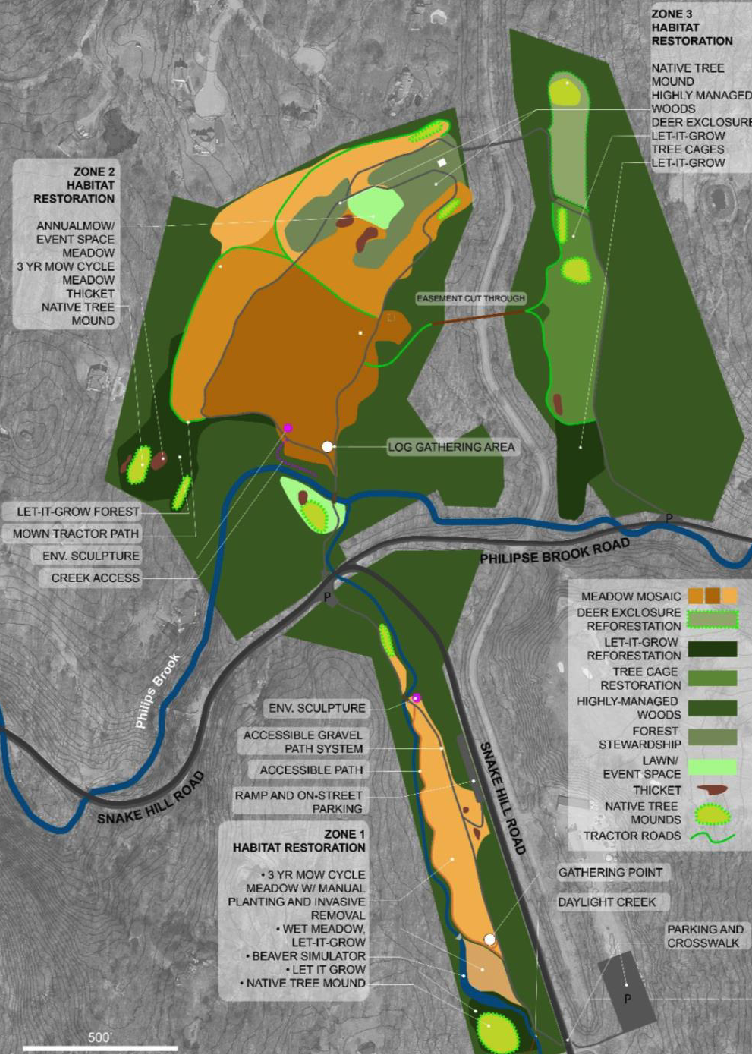
A detailed conditions analysis divides the preserve into three management zones, each with distinct topography, hydrology, and ecological functions. Former fairways are now early successional meadows—valuable but fragile ecosystems that require thoughtful stewardship to prevent invasive takeover or unchecked forest succession. Surrounding upland forests, some classified as important “core forest,” provide crucial interior habitat while also facing stressors like deer browse, pests, and fragmentation. The stream systems and riparian buffers are among the preserve’s most sensitive features, offering cool-water aquatic habitat but susceptible to erosion, pollution, altered flows, and legacy infrastructure like aging culverts and dams.
Community voice plays a central role in shaping the preserve’s future. Surveys indicate strong local enthusiasm for nature-based programming, education, volunteer opportunities, and ecologically focused restoration, along with a desire for welcoming trails, accessibility features, and thoughtful amenities that do not compromise the site’s natural character.
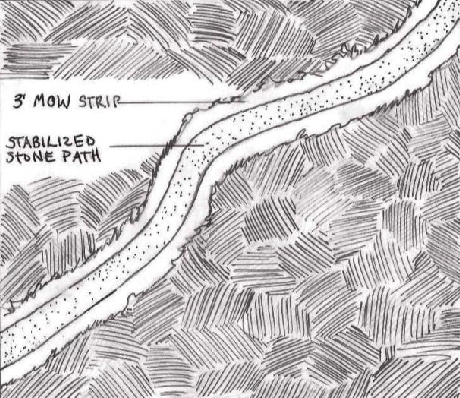
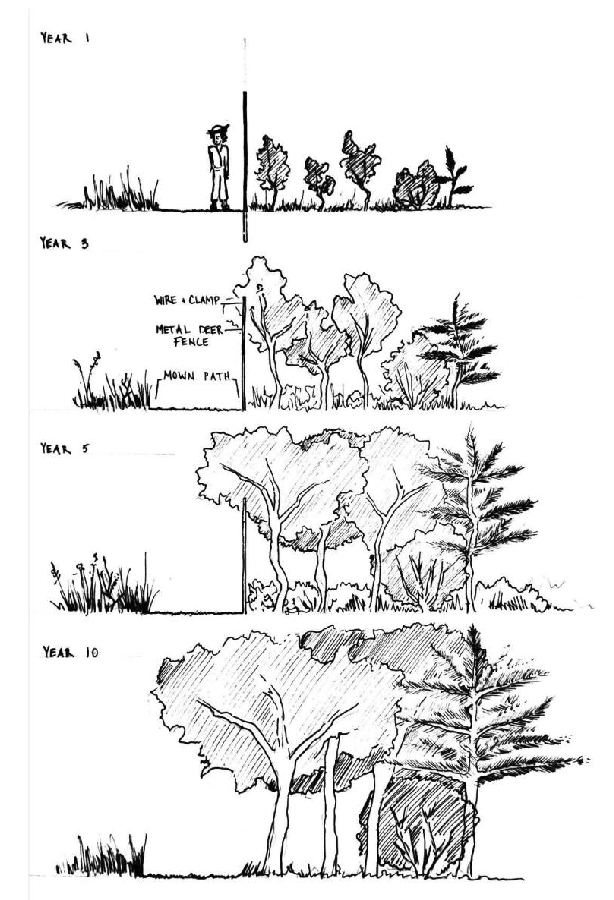
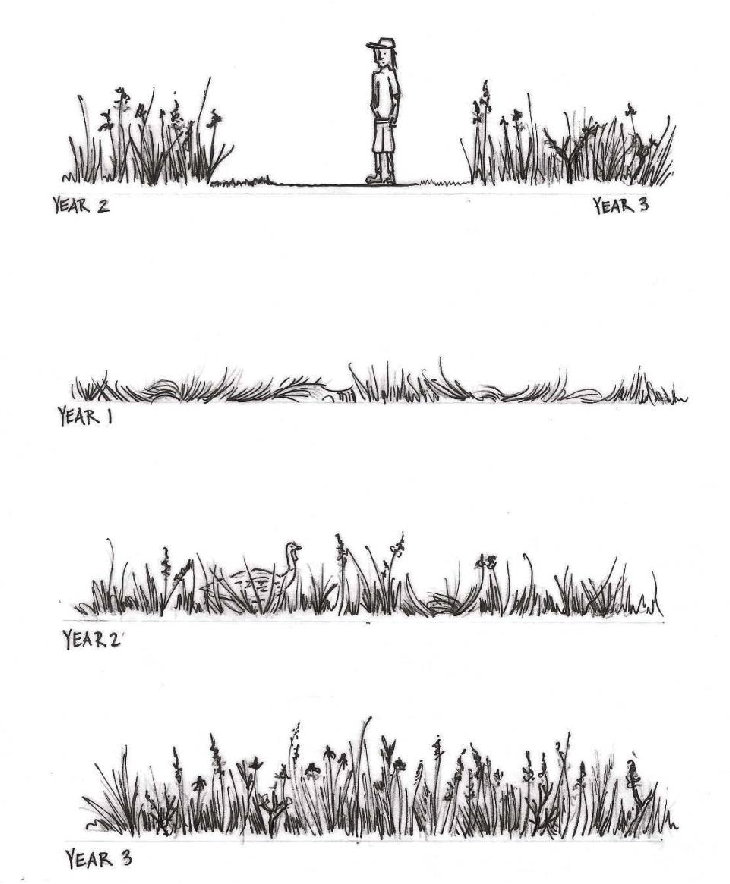
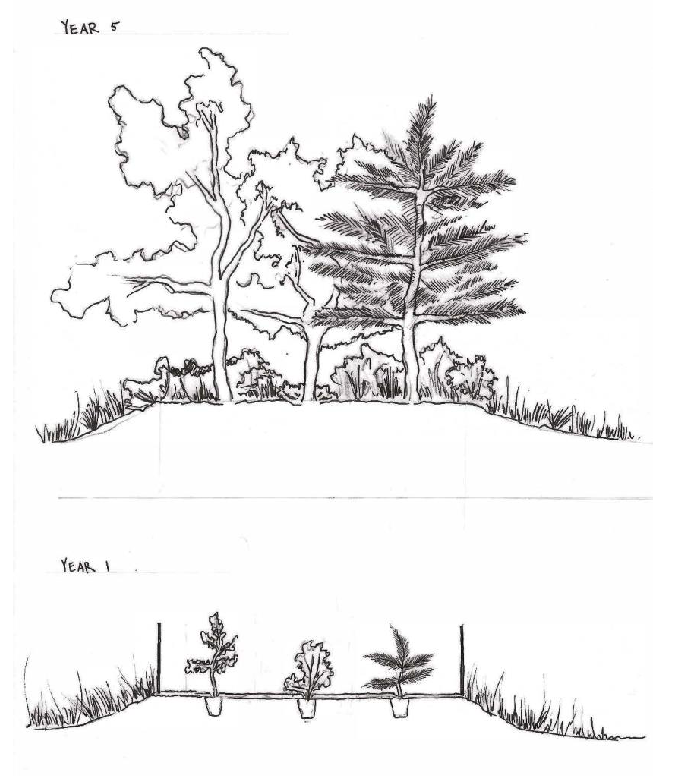
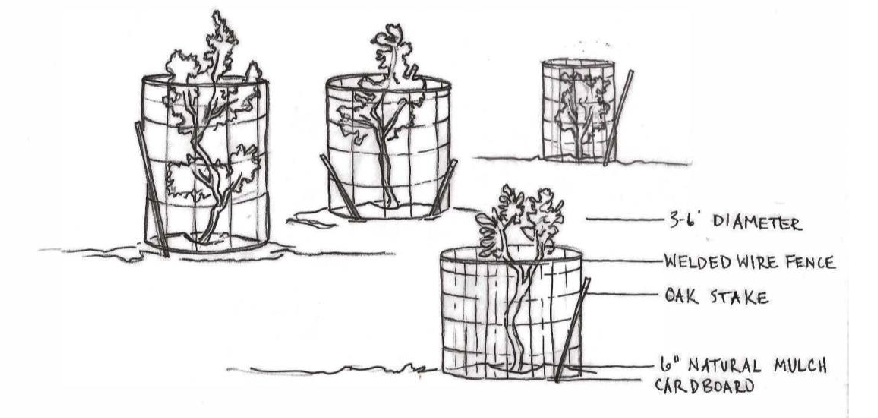
The plan proposes a holistic ecological vision structured around adaptive management and phased restoration. Key strategies include creating a rotational meadow-mowing cycle to maintain early successional habitats, targeted reforestation and young-forest creation where appropriate, focused invasive species management, protection and enhancement of riparian buffers, and careful trail and access improvements that balance enjoyment with ecological sensitivity. Long-term resilience is emphasized through continuous monitoring, collaboration among scientists, land stewards, and community members, and a financial sustainability framework that may include endowment development, partnerships, grants, and educational programming.
Ultimately, the Humble Bee Hollow Ecological Master Plan positions the preserve as more than open space—it is a living laboratory, wildlife refuge, and community resource. With intentional stewardship, the site can evolve from a human-engineered landscape into a dynamic ecological haven that supports biodiversity, strengthens climate resilience, and deepens the region’s connection to the land for generations to come.